How the 2000 Cult Classic Battle Royale Paved the Way for Dystopian Thrillers
Long before Katniss Everdeen stepped into the arena, Japanese cinema explored a much darker and more graphic take on government-mandated youth death matches.
 🎬Movies
Photo: screenrant.com
Key points
- Battle Royale predates modern youth survival franchises by 12 years
- The 2000 Japanese film was directed by Kinji Fukasaku and based on Koushun Takami's novel
- The narrative focuses on a stark, unglamorous political punishment rather than a televised spectacle
When discussing dystopian survival franchises, Suzanne Collins' bestselling work and its cinematic adaptations often dominate the conversation. However, the concept of a totalitarian regime forcing young people to battle for survival was explored a full dozen years prior on the big screen.
A Grimmer Precedent in Japanese Cinema
Directed by Kinji Fukasaku and released in 2000, Battle Royale adapted Koushun Takami's 1999 novel of the same name. The premise centers on a totalitarian state that abducts a class of 42 junior high school students during a field trip, stranding them on an island under a policy meant to terrorize rebellious youths. Each participant is fitted with an explosive collar and given a random weapon, tasked with fighting until only a single survivor remains.
- Released in 2000 and directed by Kinji Fukasaku.
- Based on the 1999 novel by Koushun Takami.
- Features a class of 42 students forced into a three-day survival test.
Unlike later Hollywood iterations, Fukasaku's film strips away the glitz of televised pageantry, celebrity stylists, and public sponsorships. Instead of functioning as a national sporting event, the competition acts as a bleak institutional punishment. The resulting violence is unyielding, explicit, and driven by sudden panic rather than structured strategic alliances.
The teenagers are simply abandoned with instructions to kill their classmates, and the government expects them to comply.
Ultimately, both properties examine authoritarian control through youthful protagonists, but they execute their visions with vastly different tones. While mainstream blockbusters lean into PG-13 restrictions and heroic arcs, the Japanese precursor relies on raw paranoia and uncompromising brutality.
Source screenrant.com — screenrant.com/hunger-games-battle-royale-japanese-movie-comparison/ ↗
Read next
 🧠AI Analysis
Disney+ Sets Premiere Date and Massive Cast Additions for Percy Jackson and the Olympians Season 3
Disney+ has announced the release schedule and cast lineup for the third season of Percy Jackson and the Olympians, adapting Rick Riordan's The Titan's Curse.
 🎵Music
The Expanse Continues Beyond Season 6 Through Official Comic Book Sequels
Fans mourning the end of the television adaptation of The Expanse can explore the official canon sequels through two comic-book series covering the gap before the seventh…
 🧠AI Analysis
OURBIRTHDAY Named Billboard's K-Pop Up & Comer for November
The seven-member rookie girl group OURBIRTHDAY has been selected as Billboard's K-Pop Up & Comer of the Month for November, following their summer debut.
 🏆Awards & Industry
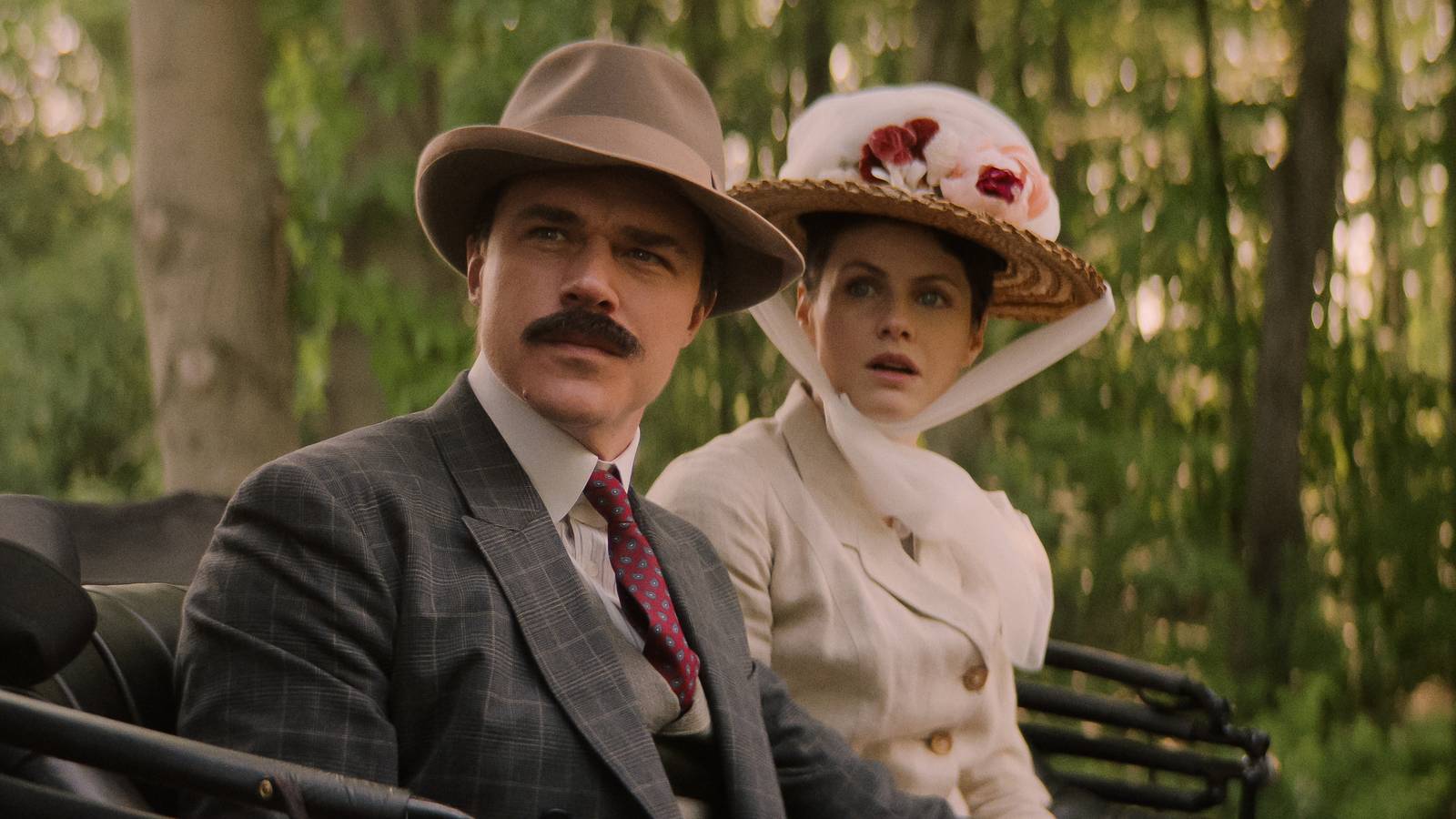
Angel Studios Biopic 'Hershey' Offers Conventional Look at Chocolate Empire Founder
Directed by Mark Waters and starring Finn Wittrock alongside Alexandra Daddario, the new biographical drama explores nearly 50 years of Milton S. Hershey's life.
 ▶️Streaming
My Hero Academia Crossover Event Coming to Brawlhalla in December
Popular anime franchise My Hero Academia is crossing over with the fighting game Brawlhalla, introducing fan-favorite characters as playable skins.
 🎬Movies
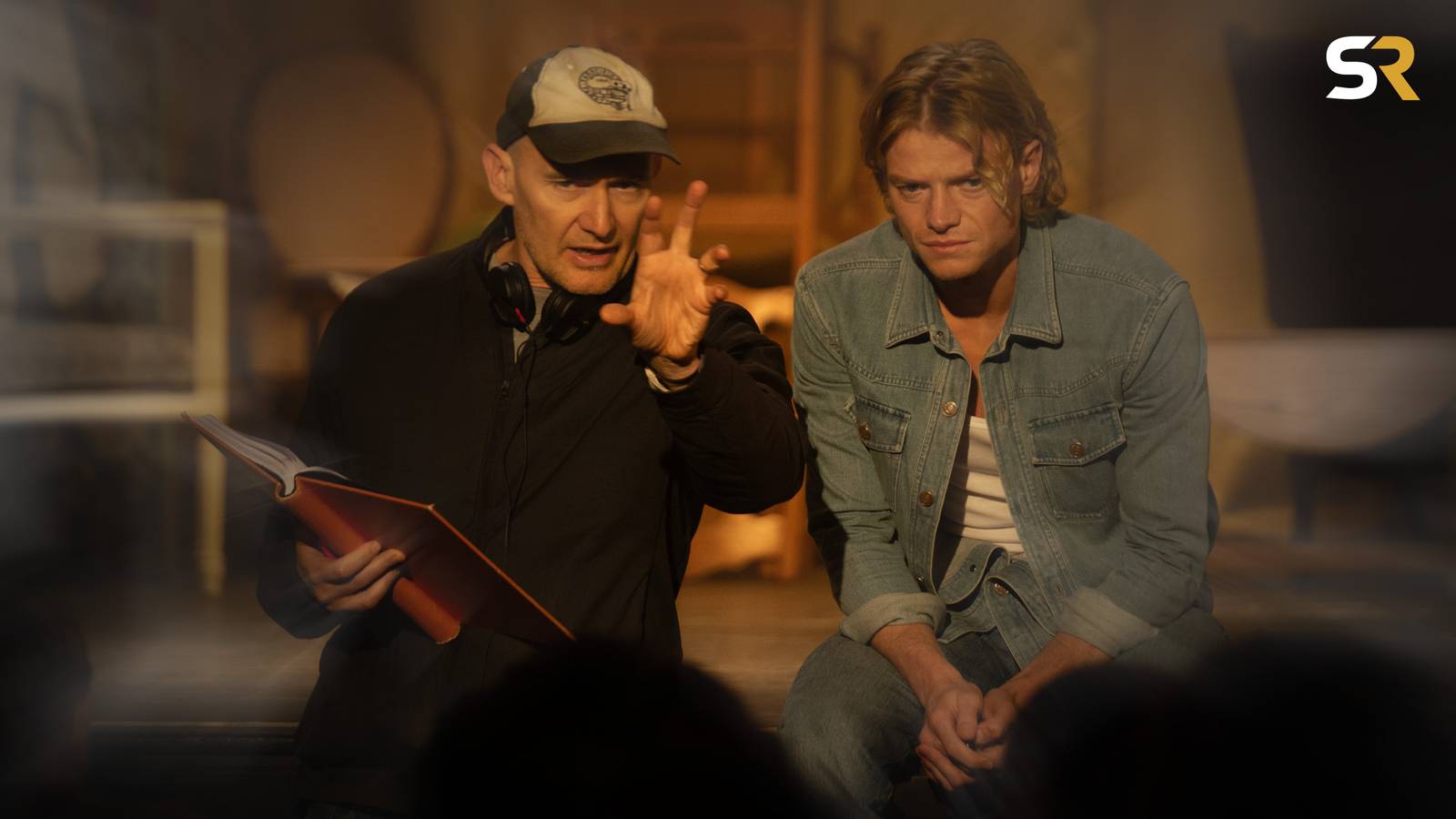
Director James Watkins Details Practical Effects and Tone in DCU's 'Clayface' Movie
Director James Watkins shares how DC Studios brought Batman's famous villain to life using practical effects for the franchise's first R-rated feature.